Understanding the psychological triggers that drive casino gambling behavior
The allure of risk-taking
Risk-taking is a fundamental aspect of human behavior, often rooted in our evolutionary history. In the context of casino gambling, this allure manifests through the excitement of uncertainty. Gamblers are drawn to the thrill of placing a bet, where the possibility of winning instills a rush of adrenaline. This heightened state of arousal can create a euphoric feeling, reinforcing the desire to gamble further as individuals chase that next exhilarating moment. At spin-alto.co, one can delve deeper into the connection between gambling and local economies.

Moreover, the brain’s reward system plays a pivotal role in this attraction to risk. When individuals engage in gambling, they release dopamine, a neurotransmitter associated with pleasure and reward. This chemical response can lead to habitual gambling behavior, as the brain begins to associate betting with positive sensations. The desire to experience this rush again and again can create a cycle that is difficult to break, highlighting why casinos are adept at fostering such environments.
The environment in which gambling occurs also heightens the appeal of risk-taking. Casinos are designed with captivating visuals, sounds, and even scents that stimulate the senses. This carefully curated atmosphere encourages prolonged engagement, making the risk of losing seem less significant in the face of potential rewards. As gamblers immerse themselves in this world, their decision-making can be swayed by the surrounding excitement, reinforcing the allure of risk.
The psychology of rewards and losses
The psychology of gambling is heavily influenced by how rewards and losses are perceived. Gamblers often experience a phenomenon known as the “losses disguised as wins,” where small wins can overshadow larger losses. This cognitive bias can lead individuals to believe they are on a winning streak when, in reality, they may be losing more than they are gaining. Understanding this misperception is crucial in recognizing the psychological traps casinos utilize to keep players engaged.
Another aspect is the concept of “near misses.” When gamblers come close to winning, the brain interprets this as a near success, often triggering excitement rather than discouragement. This can result in a strong motivation to continue playing, as the prospect of hitting the jackpot seems more attainable. Casinos exploit this phenomenon by designing games that frequently deliver near misses, thereby enhancing the overall gambling experience and encouraging players to stay longer.
Additionally, the timing of rewards plays a significant role in gambling behavior. Casinos often implement variable ratio reinforcement schedules, where the payoff is unpredictable. This unpredictability keeps players engaged, as they anticipate the next big win. The psychological effects of these reward schedules can create powerful urges to gamble, making it challenging for individuals to recognize when their behavior becomes problematic.
The social aspects of gambling
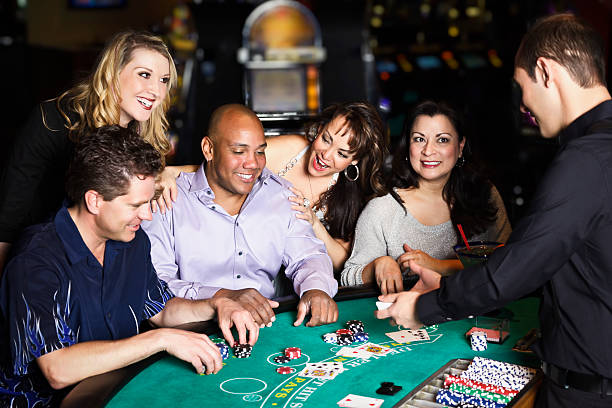
Gambling is not solely an individual pursuit; it often involves a social component that enhances the experience. Many people are drawn to casinos as venues for social interaction, where they can share the thrill of gambling with friends or strangers. This communal aspect fosters a sense of belonging, making gambling more appealing as individuals seek to enhance their social connections while enjoying the entertainment of gaming.
The role of social validation cannot be understated. When individuals win, they often seek acknowledgment from those around them, reinforcing their gambling behavior. This social reinforcement can contribute to a cycle of continued play, as the approval and excitement of others can amplify one’s own feelings of victory. Conversely, even in loss, the social environment can provide comfort, making the experience more palatable.
Furthermore, casinos often host events and promotions that encourage social engagement, such as tournaments or themed nights. These gatherings not only foster competition but also create a shared atmosphere of excitement. The allure of winning can be heightened by the presence of fellow gamblers, making the overall experience more enticing. This blend of social elements with gambling behavior can create a powerful incentive to return, establishing a routine that is difficult to break.
The role of marketing and advertising
Marketing strategies play a significant role in shaping the gambling behaviors of individuals. Casinos invest heavily in advertising campaigns that promote the thrill of winning, often showcasing lavish lifestyles that are associated with successful gambling. These advertisements tap into dreams of financial freedom and excitement, alluring potential gamblers by creating an idealized vision of the gambling experience.
Moreover, promotions such as bonuses, free spins, and loyalty programs entice gamblers to play more frequently. These incentives not only create an immediate appeal but also encourage repeat visits. The psychology behind these marketing tactics is grounded in the principle of loss aversion; when players feel they are missing out on benefits, they are more likely to engage in gambling to avoid feeling left out. This sense of urgency can significantly influence gambling behavior.
Social media and online platforms further enhance the reach of casino marketing. Digital campaigns often feature influencers and testimonials that create a sense of community and excitement around gambling. This online presence allows casinos to engage potential players continuously, drawing them into the world of gambling through compelling narratives and enticing visuals. The effective integration of these marketing strategies makes it increasingly challenging for individuals to resist the allure of gambling.
Understanding responsible gambling and support
Recognizing the psychological triggers behind gambling behavior is vital in promoting responsible gambling practices. Education and awareness are essential in helping individuals understand the risks associated with gambling. Resources such as support groups, counseling, and educational programs provide valuable information on identifying problem gambling behaviors and seeking help when needed.
Support systems play a crucial role in addressing gambling addiction. Many organizations offer assistance for individuals struggling with gambling-related issues, providing a safe space for sharing experiences and strategies for recovery. These resources emphasize the importance of setting limits, self-exclusion options, and understanding one’s triggers to maintain a balanced approach to gambling.
As the conversation around gambling evolves, it is increasingly important for casinos and stakeholders to prioritize responsible gambling initiatives. By promoting a culture of awareness and support, the industry can work toward reducing the negative impacts of gambling while still allowing individuals to enjoy the entertainment it offers. This balanced approach contributes not only to healthier gambling behaviors but also to the overall well-being of individuals and communities.